Why Sustainable Cleaning Matters
Every day, millions of households and businesses use cleaning products that contain harsh chemicals, come in single-use plastic packaging, and contribute to environmental pollution. The cleaning industry's environmental footprint is substantial, but the good news is that small, conscious changes in our cleaning routines can make a significant positive impact.
Sustainable cleaning isn't about perfection—it's about progress. By making thoughtful choices about the products we use, how we use them, and what we do with the packaging, we can create cleaner homes while protecting the planet for future generations.
The Environmental Impact of Conventional Cleaning
Understanding the problem helps motivate the solution:
Chemical Pollution
- Many conventional cleaners contain phosphates, ammonia, chlorine, and other chemicals that contaminate waterways
- These chemicals don't break down easily and can harm aquatic life
- Indoor air quality can be affected by volatile organic compounds (VOCs) in cleaning products
- Some chemicals are suspected hormone disruptors and carcinogens
Plastic Waste
- The cleaning industry generates millions of tons of plastic waste annually
- Most spray bottles and packaging aren't recycled
- Single-use wipes and disposable cloths add to landfill waste
- Microplastics from cleaning products enter water systems
Water Consumption
- Conventional cleaning often uses excessive water
- Many products require extensive rinsing
- Manufacturing cleaning products is water-intensive
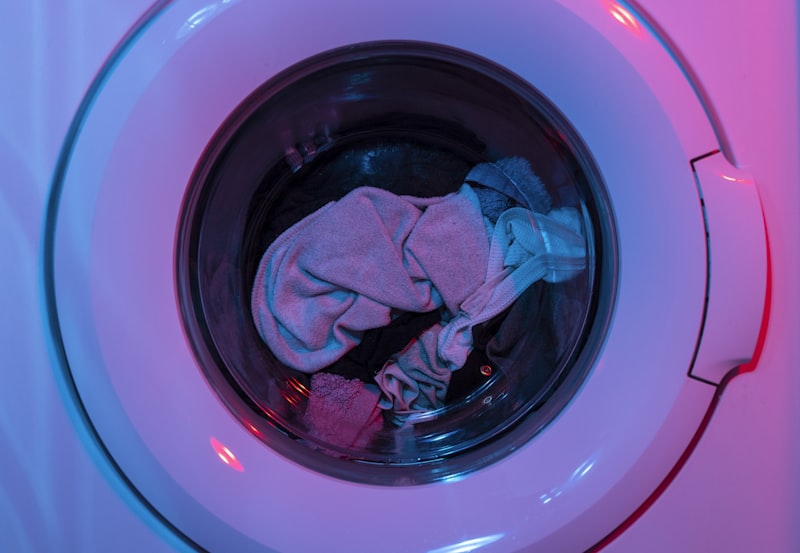
Switching to reusable materials reduces waste significantly
Simple Swaps for Sustainable Cleaning
Start your sustainable cleaning journey with these easy product swaps:
1. Ditch Disposable Wipes
Instead of: Disposable cleaning wipes (which often contain plastic and don't biodegrade)
Use: Microfiber cloths or old cotton t-shirts cut into cleaning rags
Impact: One reusable cloth can replace hundreds of disposable wipes per year
Tip: Keep a container of damp cloths ready to use, stored in a solution of water, vinegar, and essential oils
2. Replace Paper Towels
Instead of: Paper towels for every spill and surface
Use: Swedish dishcloths, microfiber cloths, or unpaper towels (reusable cloth towels on a roll)
Impact: The average household uses 2 rolls of paper towels per week—that's over 100 rolls per year
Tip: Keep cloths in different colors for different tasks (blue for glass, green for kitchen, etc.)
3. Switch to Concentrated Products
Instead of: Ready-to-use spray cleaners in large plastic bottles
Use: Concentrated eco-friendly cleaners that you dilute at home
Impact: Reduces plastic waste by 90% and transportation emissions
Tip: Buy one good reusable spray bottle and refill it with concentrated solutions
4. Choose Plant-Based Cleaners
Instead of: Chemical-based cleaners with synthetic fragrances
Use: Plant-based, biodegradable cleaning products
Impact: Safer for aquatic life, reduces water pollution, better for indoor air quality
Tip: Look for certifications like Ecocert, Leaping Bunny, or EPA Safer Choice
5. Make Your Own Cleaners
Instead of: Buying multiple specialized cleaners
Use: DIY solutions made from vinegar, baking soda, and castile soap
Impact: Eliminates plastic packaging, reduces chemicals, saves money
Tip: Keep ingredients in bulk and mix small batches as needed
Refillable glass bottles reduce plastic waste
6. Upgrade Your Tools
Instead of: Cheap, disposable brushes and mops
Use: Quality, durable cleaning tools with replaceable heads
Impact: Reduces landfill waste, saves money long-term
Options:
- Wooden-handled brushes with natural bristles
- Mops with washable, replaceable heads
- Stainless steel scrubbers instead of disposable sponges
- Vacuum cleaners with HEPA filters and washable components
7. Buy in Bulk
Instead of: Individual small packages of cleaning products
Use: Bulk purchases or refill stations
Impact: Less packaging waste, lower cost per use, fewer shopping trips
Tip: Many eco-friendly brands now offer refill pouches or refill stations in stores
Room-by-Room Sustainable Cleaning Guide
Kitchen
Sustainable swaps:
- Bar dish soap instead of liquid in plastic bottles
- Wooden dish brush with replaceable head instead of plastic sponges
- Beeswax wraps instead of cling film for covering food
- Compost bin for food waste instead of garbage disposal
- Reusable produce bags for fruits and vegetables
Eco-friendly cleaning routine:
- Use vinegar and water for countertops and surfaces
- Sprinkle baking soda in sink before scrubbing
- Lemon halves to clean cutting boards naturally
- Steam cleaning for ovens and microwaves (reduces chemical use)
Bathroom
Sustainable swaps:
- Bar soap instead of liquid soap in plastic pumps
- Bamboo toilet brush instead of plastic
- Reusable makeup remover pads instead of cotton rounds
- Shampoo bars instead of bottled shampoo
- Refillable hand soap dispensers
Eco-friendly cleaning routine:
- Vinegar for limescale on taps and showerheads
- Baking soda paste for scrubbing tiles and grout
- Tea tree oil for mold prevention
- Microfiber cloths for mirrors (no glass cleaner needed)
Living Areas
Sustainable swaps:
- Bagless vacuum with washable filters
- Natural fiber rugs that can be beaten outside
- Bamboo or microfiber dusting cloths
- Wool dryer balls instead of dryer sheets
Eco-friendly cleaning routine:
- Open windows for fresh air instead of chemical air fresheners
- Use houseplants to improve air quality naturally
- Vacuum regularly to reduce dust (less need for chemical treatments)
- Spot clean furniture with gentle, plant-based solutions
Laundry
Sustainable swaps:
- Eco-friendly laundry strips or powder instead of liquid detergent
- Wool dryer balls instead of fabric softener and dryer sheets
- Cold water washing (saves energy)
- Line drying when possible
- Guppybag to catch microplastics from synthetic fabrics
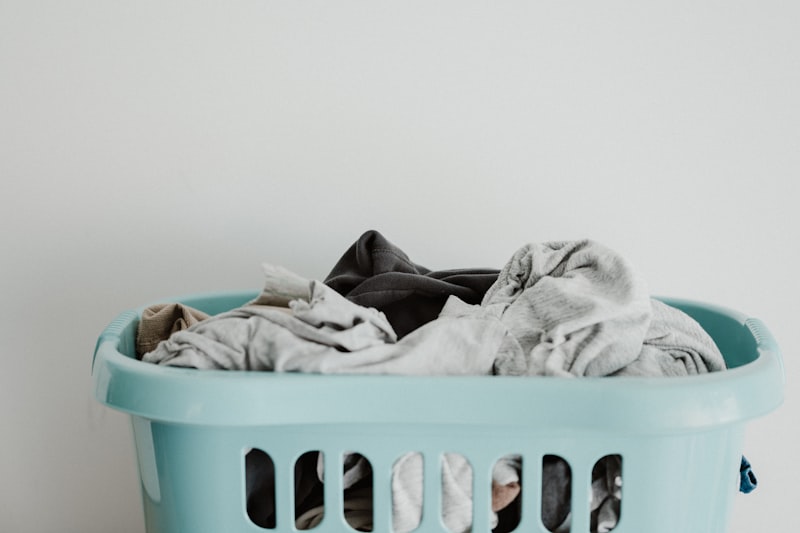
Beautiful sustainable cleaning doesn't require sacrifice
Reducing Water Waste
Water conservation is an often-overlooked aspect of sustainable cleaning:
Smart Water Usage Tips
- Use spray bottles: More efficient than running water
- Two-bucket method: One for washing, one for rinsing
- Steam cleaners: Use minimal water for deep cleaning
- Catch cold water: While waiting for hot water, save it for plants or cleaning
- Full loads only: Run dishwashers and washing machines only when full
- Fix leaks promptly: A dripping tap wastes thousands of liters annually
- Use efficient tools: Modern vacuums reduce need for wet cleaning
Energy-Efficient Cleaning Practices
Reduce Energy Consumption
- Cold water washing: 90% of washing machine energy goes to heating water
- Air dry when possible: Dryers are one of the most energy-intensive appliances
- Clean during daylight: Reduces need for artificial lighting
- Energy-efficient appliances: Look for high energy ratings when purchasing vacuums, steamers, etc.
- Unplug when not in use: Many appliances draw power even when off
- Maintain appliances: Clean vacuum filters and washing machine drums for efficiency
Packaging and Waste Reduction
Minimizing Packaging Waste
- Choose minimal packaging: Bars instead of bottles, powder instead of liquid
- Refill programs: Many stores now offer cleaning product refills
- Recyclable packaging: Choose products in glass, aluminum, or easily recyclable materials
- Buy larger sizes: Less packaging per use
- Avoid individually wrapped items: Like single-use cleaning wipes
- Repurpose containers: Save spray bottles and jars for DIY cleaners
Proper Disposal
- Never pour chemicals down drains: Take to hazardous waste facilities
- Recycle empty bottles: Clean them first for better recycling
- Compost natural cleaning cloths: If made from 100% natural fibers
- Donate unused products: Rather than throwing away
The Cost of Going Green
Initial Investment vs. Long-Term Savings
Sustainable cleaning may seem more expensive at first, but it often saves money:
Upfront costs (one-time investment):
- Quality microfiber cloths: £15-30
- Reusable spray bottles: £5-15
- Durable cleaning tools: £30-50
- Basic ingredients (vinegar, baking soda, castile soap): £15
- Total initial investment: £65-110
Annual savings compared to conventional cleaning:
- No disposable wipes: Save £50-80/year
- No paper towels: Save £60-100/year
- DIY cleaners vs. commercial: Save £100-150/year
- Reduced water and energy: Save £30-50/year
- Total potential savings: £240-380/year
Most sustainable cleaning investments pay for themselves within 3-6 months!
Certifications and Labels to Look For
When buying eco-friendly products, look for these trusted certifications:
Reliable Eco-Certifications
- Ecocert: Rigorous standards for natural and organic products
- EU Ecolabel: European Union's environmental certification
- Leaping Bunny: Cruelty-free certification
- EPA Safer Choice: Products are safer for families and the environment
- Cradle to Cradle: Measures environmental and social performance
- Carbon Trust: Certifies carbon footprint reduction
- USDA Organic: For products with organic ingredients
Labels to Be Skeptical About
Watch out for "greenwashing"—misleading environmental claims:
- "Natural" (not regulated, can mean anything)
- "Eco-friendly" without specific certification
- "Green" without details
- "Non-toxic" (not legally defined)
Tip: Look for specific certifications and ingredient transparency rather than vague marketing claims.
Building Sustainable Habits
Start Small and Build
You don't need to change everything at once. Sustainable cleaning is a journey:
- Month 1: Replace disposable wipes with reusable cloths
- Month 2: Switch to concentrated eco-friendly cleaners
- Month 3: Start making one DIY cleaner (like all-purpose spray)
- Month 4: Upgrade one cleaning tool (like a quality mop)
- Month 5: Implement water-saving techniques
- Month 6: Assess and celebrate your progress!
Make It Easy
- Keep it simple: Start with basic swaps before complex changes
- Set up systems: Designate a spot for reusable cloths, mixing supplies, etc.
- Involve the family: Everyone can participate in sustainable choices
- Track your impact: Note how much plastic you've avoided or money saved
- Be patient: Habits take time to form
Sustainable Cleaning for Businesses
Commercial spaces can make an even bigger impact:
Business Benefits of Sustainable Cleaning
- Enhanced brand reputation: Customers value environmental responsibility
- Healthier workplace: Fewer chemicals mean better air quality
- Cost savings: Concentrated products and bulk buying reduce expenses
- Employee satisfaction: Workers appreciate healthier environments
- Regulatory compliance: Stay ahead of environmental regulations
- Reduced liability: Fewer toxic chemicals mean less risk
Implementing Green Cleaning in Business
- Hire cleaning services with eco-certifications
- Stock eco-friendly products in bathrooms and kitchens
- Provide reusable cloths instead of paper towels
- Install efficient hand dryers to reduce paper waste
- Use green cleaning as a marketing point
- Train staff on sustainable practices
Overcoming Common Obstacles
"Eco-Friendly Products Don't Work as Well"
Reality: Modern eco-friendly products are highly effective. If you're not satisfied:
- Try different brands—quality varies
- Ensure you're using correct dilution ratios
- Allow dwell time for products to work
- Some jobs may need elbow grease rather than harsh chemicals
"It's Too Expensive"
Reality: Many sustainable options save money:
- DIY cleaners cost pennies per bottle
- Reusable items eliminate recurring purchases
- Concentrated products go further than ready-to-use
- Bulk buying reduces per-unit costs
"I Don't Have Time"
Reality: Sustainable cleaning can be just as quick:
- Keep pre-mixed solutions ready to use
- Microfiber cloths clean faster than disposable wipes
- Many eco-products work as quickly as conventional ones
- Once systems are in place, it's no more time-consuming
The Bigger Picture
Every sustainable choice contributes to larger environmental goals:
Your Impact
If one household switches to sustainable cleaning:
- Prevents 50-100 plastic bottles from landfill annually
- Reduces water pollution from harmful chemicals
- Decreases carbon footprint from manufacturing and transport
- Improves indoor air quality
- Sets an example for others
Now imagine if thousands of households and businesses made these changes. The collective impact is enormous.
Sweetened Cleaning's Commitment to Sustainability
At Sweetened Cleaning Services, we're committed to protecting the environment while delivering exceptional results:
- 100% eco-friendly products: All our cleaners are plant-based and biodegradable
- Reusable materials: We use microfiber cloths, not disposable wipes
- Minimal packaging: Concentrated products reduce plastic waste
- Water conservation: Efficient cleaning methods minimize water use
- Energy efficiency: Modern equipment reduces energy consumption
- Continuous improvement: Always seeking greener alternatives
- Education: Helping clients understand sustainable options
- Local sourcing: Supporting UK eco-friendly brands when possible
We believe professional cleaning shouldn't come at the planet's expense.
Taking Action Today
Ready to start your sustainable cleaning journey? Here's your action plan:
This Week:
- Purchase 5-10 microfiber cloths or cut up old t-shirts
- Make one DIY cleaner (try all-purpose vinegar spray)
- Identify one disposable item you can replace
This Month:
- Research eco-friendly brands available in your area
- Invest in one quality reusable cleaning tool
- Set up a system for storing and washing reusable cloths
- Track how much plastic you've avoided
This Year:
- Transition all cleaning products to eco-friendly alternatives
- Replace all single-use items with reusable options
- Calculate your environmental and financial savings
- Share your success with friends and family
Conclusion
Sustainable cleaning isn't about being perfect—it's about making better choices when you can. Every small change adds up. Whether you start by ditching disposable wipes, trying one DIY cleaner, or switching to an eco-friendly brand, you're making a positive difference.
The planet doesn't need a handful of people doing sustainable cleaning perfectly. It needs millions of people doing it imperfectly. Your journey toward greener cleaning starts with a single choice, and that choice matters.
Remember: small changes, big impact. The cleanest home is one that's clean for both your family and the Earth.