
Understanding Indoor Allergens
Millions of people suffer from indoor allergies, experiencing symptoms like sneezing, congestion, itchy eyes, and respiratory issues year-round. Unlike seasonal allergies, indoor allergens persist throughout the year, making daily life uncomfortable and affecting sleep quality, productivity, and overall wellbeing.
The good news is that with the right strategies and consistent effort, you can significantly reduce indoor allergens and create a healthier, more comfortable living environment. This comprehensive guide will show you exactly how.
Common Indoor Allergens
Before we tackle solutions, let's identify the main culprits affecting indoor air quality:
1. Dust Mites
These microscopic creatures are the most common indoor allergen. They thrive in warm, humid environments and feed on dead skin cells. Their waste products are the actual allergen that triggers reactions.
- Found primarily in bedding, upholstered furniture, and carpets
- Prefer temperatures above 20°C and humidity above 50%
- One gram of dust can contain up to 1,000 dust mites
- Affect approximately 20 million people in the UK
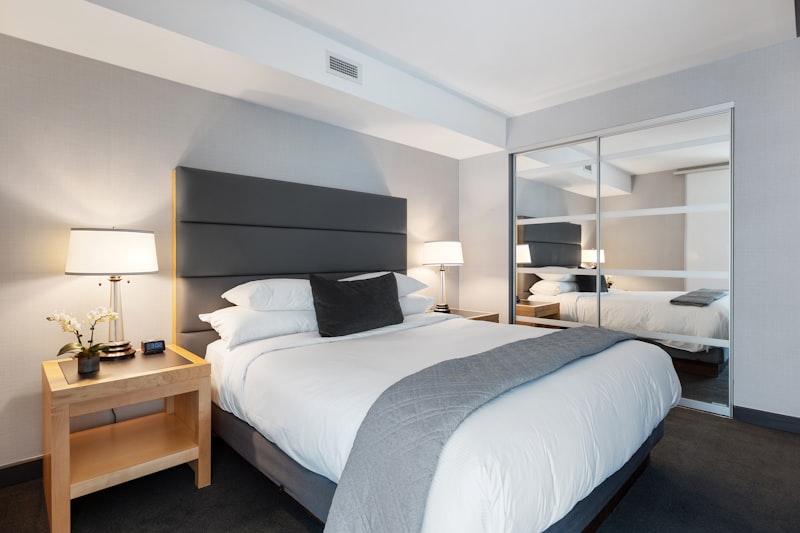
Regular bedding washing is crucial for dust mite control
2. Pet Dander
Tiny flakes of skin shed by cats, dogs, and other furry or feathered pets contain proteins that trigger allergic reactions.
- Can remain airborne for long periods
- Sticks to clothing, furniture, and walls
- Can persist in a home for months after a pet is removed
- Cat allergens are particularly potent and sticky
3. Mold and Mildew
These fungi release spores into the air that can trigger allergic reactions and respiratory problems.
- Thrive in damp, poorly ventilated areas
- Common in bathrooms, kitchens, basements, and around windows
- Can grow hidden behind walls or under carpets
- Black mold (Stachybotrys) is particularly problematic
4. Pollen
While typically thought of as an outdoor allergen, pollen easily makes its way indoors through open windows, doors, and on clothing.
- Peaks during spring and autumn
- Can accumulate on surfaces and in carpets
- Remains potent even when dried
5. Cockroach Droppings
In some homes, especially in urban areas, cockroach allergens can be a significant problem.
6. Other Allergens
- Rodent droppings and urine
- Indoor plants (mold in soil)
- Chemical irritants from cleaning products
- Volatile organic compounds (VOCs) from furniture and building materials
Bedroom: Your Allergy-Free Sanctuary
Since we spend about a third of our lives in the bedroom, making this room as allergen-free as possible should be your top priority.
Bedding Management
- Wash weekly in hot water: All sheets, pillowcases, and duvet covers should be washed at 60°C or higher to kill dust mites
- Use allergen-proof covers: Encase mattresses, pillows, and duvets in zippered, allergen-proof covers
- Replace pillows regularly: Every 1-2 years, as they accumulate dead skin cells and dust mites
- Choose washable bedding: Avoid decorative pillows and heavy bedspreads that can't be washed frequently
- Dry thoroughly: Use a hot dryer or hang in direct sunlight to ensure complete drying
Mattress Care
- Vacuum your mattress monthly using a HEPA-filter vacuum
- Use a waterproof, allergen-proof mattress cover
- Consider replacing mattresses every 7-10 years
- Air out mattresses regularly by removing bedding for several hours

Minimalist bedrooms with fewer textiles reduce allergen accumulation
Bedroom Environment
- Remove carpets: Replace with hard flooring (wood, tile, or vinyl)
- Minimize soft furnishings: Reduce curtains, cushions, and upholstered furniture
- Keep pets out: Designate bedrooms as pet-free zones
- Close windows during high pollen counts: Especially in early morning and evening
- Use a HEPA air purifier: Run it continuously, especially during sleep
- Maintain optimal humidity: Keep between 30-50% to discourage dust mites
Living Areas: Reducing Daily Exposure
Flooring Solutions
Carpets are allergen magnets. If possible:
- Replace wall-to-wall carpeting with hard flooring
- If you must have rugs, choose small, washable ones
- Vacuum hard floors with a damp mop to trap allergens rather than dispersing them
- If keeping carpets, vacuum at least twice weekly with a HEPA-filter vacuum
- Consider professional carpet cleaning every 3-6 months using hot water extraction
Furniture Choices
- Choose leather, vinyl, or wood furniture over fabric upholstery
- If you have upholstered furniture, vacuum it weekly
- Use washable throws and covers that can be cleaned regularly
- Avoid heavy drapes; use washable curtains or blinds instead
- Keep furniture away from walls to improve air circulation
Decluttering
Every item in your home is a potential dust collector:
- Minimize knick-knacks and decorative items
- Store books in closed bookcases
- Use closed storage solutions instead of open shelving
- Keep surfaces clear for easy cleaning
- Store children's soft toys in closed containers
Kitchen and Bathroom: Moisture Control
Preventing Mold Growth
Moisture is the enemy when it comes to mold prevention:
- Ventilation is key:
- Use exhaust fans while cooking and showering
- Run fans for 15-20 minutes after use
- Open windows when weather permits
- Fix leaks immediately: Even small drips can lead to mold
- Dry surfaces: Wipe down shower walls, bath, and sink after use
- Check for hidden moisture: Behind appliances, under sinks, around windows
- Use a dehumidifier: In particularly damp areas
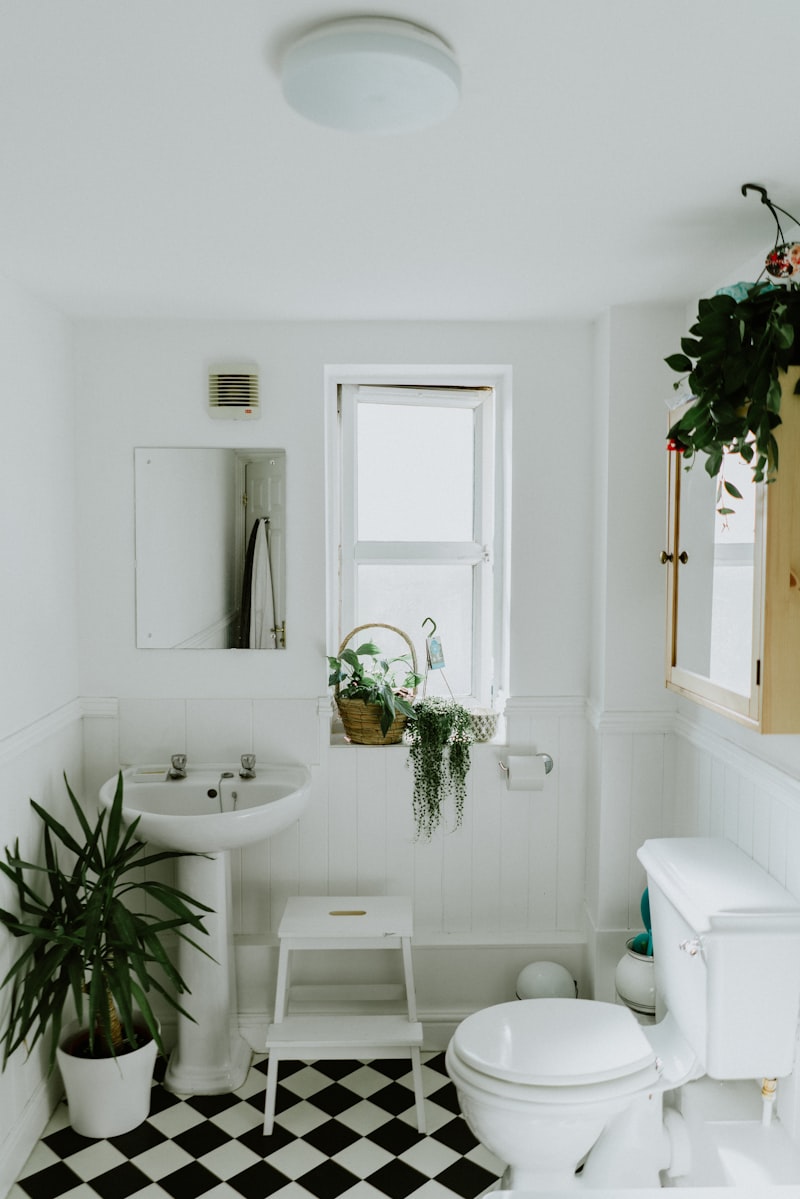
Proper ventilation prevents mold and mildew growth
Regular Cleaning
- Clean visible mold with appropriate cleaners immediately
- Check and clean shower curtains and bath mats regularly
- Wash kitchen and bath towels at least weekly
- Clean refrigerator drip trays and door seals
- Empty and dry kitchen sink strainers daily
Air Quality Improvement Strategies
HEPA Air Purifiers
High-Efficiency Particulate Air (HEPA) filters are your best friend:
- Remove 99.97% of particles 0.3 microns or larger
- Place one in each bedroom and main living area
- Choose appropriate size for room square footage
- Run continuously for best results
- Replace filters according to manufacturer guidelines
- Look for units with activated carbon filters to remove odors and VOCs
HVAC System Maintenance
- Replace air filters monthly or according to manufacturer recommendations
- Use MERV 11-13 rated filters or HEPA filters if your system supports them
- Have ducts professionally cleaned every 3-5 years
- Seal any gaps or leaks in ductwork
- Consider installing a whole-house air purification system
Humidity Control
Maintaining proper humidity levels is crucial:
- Ideal range: 30-50% relative humidity
- Use a hygrometer: Monitor humidity levels in different rooms
- Dehumidifiers: For damp areas (basements, bathrooms)
- Humidifiers: For overly dry conditions (winter months)
- Regular maintenance: Clean humidifiers and dehumidifiers weekly to prevent mold
Cleaning Best Practices for Allergy Sufferers
Vacuuming Technique
- Use only vacuums with HEPA filters
- Vacuum at least twice weekly, more in high-traffic areas
- Use slow, overlapping strokes to capture more allergens
- Vacuum in multiple directions
- Pay attention to edges, corners, and under furniture
- Empty bagless vacuums outside to prevent allergen release
- If you're the allergy sufferer, have someone else vacuum or wear a mask
Dusting Properly
- Use damp or microfiber cloths that trap dust rather than disperse it
- Dust from top to bottom (ceiling fans first, floors last)
- Don't forget often-missed areas: tops of doors, picture frames, light fixtures
- Wash dusting cloths after each use
- Avoid feather dusters which spread allergens into the air
Mopping Hard Floors
- Mop weekly, or more often in kitchens and bathrooms
- Use a damp (not wet) mop to prevent moisture damage
- Clean mop heads after each use
- Use eco-friendly, fragrance-free cleaning solutions

HEPA filtration is essential for allergen removal
Choosing Cleaning Products
Many conventional cleaners contain harsh chemicals that can irritate allergies:
- Choose fragrance-free products when possible
- Look for "hypoallergenic" or "sensitive" formulas
- Avoid aerosol sprays which disperse particles into the air
- Consider natural alternatives like vinegar and baking soda
- Ensure good ventilation when cleaning
Pet Management for Allergy Sufferers
If you have pets and allergies, complete avoidance isn't always realistic or desirable. Here's how to minimize exposure:
Pet Hygiene
- Bathe pets weekly to reduce dander
- Brush pets daily, preferably outdoors
- Wipe pets down with damp cloth when they come inside
- Keep pets' bedding clean, washing weekly
- Trim pets' nails to reduce scratching and dander spread
Creating Pet-Free Zones
- Keep pets out of bedrooms at all times
- Use baby gates to restrict access to certain areas
- Don't allow pets on upholstered furniture
- Create a designated pet area with easy-to-clean surfaces
Air Filtration
- Use high-quality air purifiers specifically rated for pet allergens
- Change HVAC filters more frequently
- Consider an air purifier with a pre-filter for pet hair
Seasonal Allergen Strategies
Pollen Season (Spring/Autumn)
- Keep windows closed during high pollen count days
- Check daily pollen forecasts
- Remove shoes at the door to avoid tracking pollen inside
- Change clothes after being outdoors
- Shower before bed to remove pollen from hair and skin
- Dry laundry indoors rather than on outdoor lines
- Use air conditioning instead of open windows
Winter Months
- Be vigilant about indoor humidity (heating systems dry air)
- Increase ventilation carefully to avoid condensation
- Watch for mold around cold windows
- Clean heating vents before turning on heat for the season
Long-Term Home Improvements
If you're committed to creating an allergen-free home, consider these investments:
Flooring
- Replace carpets with hardwood, tile, or vinyl
- Use area rugs that can be washed or easily cleaned
- Choose smooth surfaces over textured ones
Window Treatments
- Replace heavy drapes with blinds or roller shades
- Choose washable curtains if you prefer fabric
- Avoid venetian blinds which collect dust in slats
Ventilation Upgrades
- Install or upgrade bathroom and kitchen exhaust fans
- Consider a whole-house ventilation system
- Install HEPA filtration in your HVAC system
- Add ventilation to previously unventilated spaces
Moisture Barriers
- Install vapor barriers in crawl spaces and basements
- Ensure proper grading around the foundation
- Fix any roof leaks promptly
- Seal basement walls against moisture
When to Seek Professional Help
Sometimes, despite your best efforts, you may need professional assistance:
Professional Cleaning Services
Consider hiring professionals for:
- Deep carpet cleaning every 3-6 months
- Upholstery cleaning
- Air duct cleaning
- Mold remediation if growth is extensive
- Regular deep cleaning if allergies are severe
Indoor Air Quality Testing
If symptoms persist, consider:
- Professional allergen testing to identify specific triggers
- Mold inspection if you suspect hidden growth
- VOC testing for chemical irritants
- Dust mite testing in severe cases
Medical Consultation
See an allergist if:
- Symptoms interfere with daily life or sleep
- Over-the-counter medications aren't providing relief
- You're unsure what you're allergic to
- Symptoms worsen despite home improvements
Creating a Maintenance Schedule
Consistency is key to keeping allergens under control. Here's a sample schedule:
Daily Tasks
- Make beds (dust mites prefer unmade beds)
- Wipe down kitchen counters and sink
- Squeegee shower walls after use
- Empty kitchen and bathroom bins
Weekly Tasks
- Wash all bedding in hot water
- Vacuum all floors with HEPA vacuum
- Damp dust all surfaces
- Mop hard floors
- Clean bathrooms thoroughly
- Wash pet bedding
Monthly Tasks
- Vacuum mattresses
- Clean air purifier pre-filters
- Replace HVAC filters
- Clean ceiling fans and light fixtures
- Vacuum upholstered furniture
- Check for mold in problem areas
Seasonal Tasks
- Deep clean carpets
- Wash or replace curtains
- Clean windows inside and out
- Service HVAC system
- Replace air purifier HEPA filters
- Check for water damage or leaks
The Sweetened Cleaning Approach to Allergen Reduction
At Sweetened Cleaning Services, we understand the challenges faced by allergy sufferers. Our allergen-reduction cleaning service includes:
- HEPA-filtered vacuuming of all surfaces
- Microfiber dusting to trap rather than disperse allergens
- Eco-friendly, fragrance-free cleaning products
- Special attention to allergen hotspots
- Proper ventilation during and after cleaning
- Steam cleaning for deep sanitization without chemicals
- Mold inspection and reporting
- Customized cleaning plans for severe allergies
Our team is trained in allergen-reduction techniques and uses only products and methods that won't trigger allergic reactions.
Final Thoughts
Reducing allergens in your home is an ongoing process, not a one-time task. While it requires consistent effort, the payoff—better sleep, fewer symptoms, and improved quality of life—is well worth it.
Start with the basics: focus on bedrooms first, invest in HEPA filtration, control moisture, and clean regularly with the right techniques and products. As you see improvements, you can tackle bigger projects like flooring changes or HVAC upgrades.
Remember, you don't have to do it alone. Professional cleaning services can help maintain an allergen-free environment, especially during busy times or when your allergies are most severe.
With patience, consistency, and the right strategies, you can transform your home into a true sanctuary where you can breathe easy and feel your best.