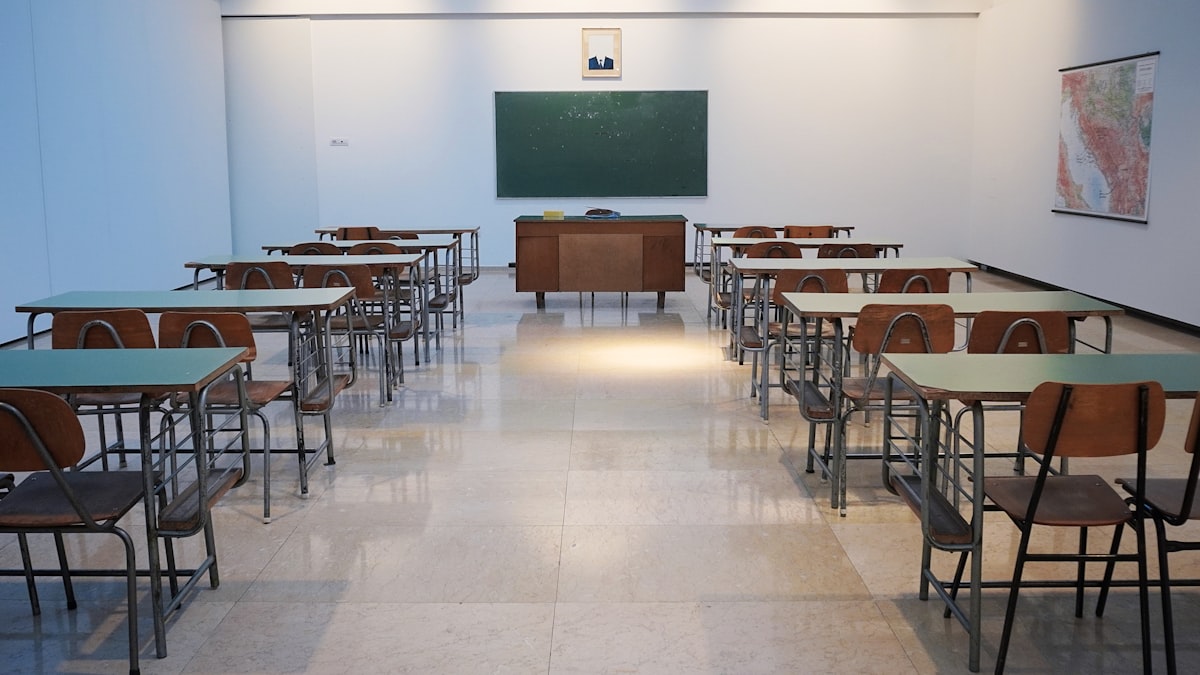
The Connection Between Cleanliness and Learning
The link between school cleanliness and student success is stronger than many realize. Clean, well-maintained educational facilities don't just look better—they directly impact student health, attendance, academic performance, and even teacher retention. In an environment where students spend six to eight hours daily, sharing spaces with dozens or hundreds of peers, proper cleaning and sanitization isn't a luxury—it's a fundamental requirement for educational success.
The Impact on Student Health and Academic Performance
Staggering Health Statistics
The numbers tell a compelling story:
- UK students lose approximately 164 million school days annually due to illness
- Studies show clean schools reduce student absenteeism by 20-30%
- Asthma rates are significantly higher in poorly maintained schools
- Flu outbreaks spread 50% faster in inadequately cleaned facilities
- Gastroenteritis outbreaks are 3x more common in schools with substandard cleaning
Direct Academic Impact
Research demonstrates that clean learning environments correlate with improved educational outcomes:
- Clean classrooms improve student concentration and focus
- Better test scores in well-maintained schools (average 5-10% improvement)
- Reduced distractions from odors, visible dirt, or discomfort
- Improved student self-esteem and pride in their school
- Better behavior and fewer disciplinary issues
Teacher Well-being and Retention
Teachers benefit from clean environments too:
- Clean schools have 15% better teacher retention rates
- Professional environment attracts and retains quality staff
- Reduced teacher sick days (25-30% reduction in clean schools)
- Higher job satisfaction and morale
- More productive teaching time

Clean learning spaces enhance focus and academic performance
Unique Challenges in Educational Facilities
High Student Density
Schools face cleaning challenges unlike any other environment:
- 20-35 students per classroom sharing the same space
- Hundreds or thousands of students in the building
- Limited personal space increases germ transmission
- Shared materials and equipment
- High-touch surfaces contacted by many students hourly
Age-Related Hygiene Variations
Different age groups present different challenges:
- Nursery/Reception: Everything goes in mouths, poor hand hygiene, crawling on floors
- Primary school: Developing hygiene habits, messy eating, close physical contact
- Secondary school: Higher germ loads, body odor, shared sports equipment
- Universities: Shared accommodation, communal facilities, late-night studying
Limited Cleaning Windows
- Must clean while students absent (evenings, weekends, holidays)
- Quick turnaround between classes
- Cannot disrupt educational activities
- Must work around extracurricular activities and events
Budget Constraints
- Cleaning often first budget cut during financial pressure
- Must balance cost with quality
- Large areas to cover with limited resources
- Need for cost-effective solutions
Diverse Facility Types
Schools aren't just classrooms:
- Science labs with chemical hazards
- Art rooms with paint and craft materials
- Cafeterias with food safety requirements
- Gymnasiums with shared equipment
- Libraries with dust concerns
- Computer rooms with sensitive equipment
- Music rooms with shared instruments
High-Touch Areas in Educational Settings
Classroom Surfaces
These areas require multiple daily cleanings:
- Desks and chairs: 100+ touches per day per student
- Door handles: Contacted by every person entering/exiting
- Light switches: High-touch, often forgotten
- Computer keyboards and mice: Shared by multiple students
- Shared tablets/devices: Direct hand contact, often near faces
- Whiteboard erasers and markers: Handled by multiple students and teachers
- Classroom door frames: Leaned on, touched constantly
- Shared supplies: Scissors, glue, rulers, calculators
Common Areas
- Water fountains: Highest concentration of germs in schools
- Stair railings: Touched by every student using stairs
- Bathroom facilities: Toilets, sinks, soap dispensers, door handles
- Lockers: Handles and surfaces
- Cafeteria tables and chairs: Food contact surfaces
- Playground equipment: Outdoor germs plus high use
- Library books and shelves: Passed between many hands
Specialized Learning Areas
- Science labs: Benches, equipment, sinks, safety equipment
- Art rooms: Sinks, shared supplies, work surfaces
- Music rooms: Shared instruments, chairs, music stands
- PE equipment: Mats, balls, gymnasium equipment
- Computer labs: Keyboards, mice, headphones
Child-Safe Cleaning Products
Critical Requirements
Products used in schools must meet stricter standards than those for general use:
Non-toxic formulations:
- No harsh chemicals that could harm if accidentally touched or ingested
- Safe if students come into contact during or after cleaning
- Low toxicity ratings
Fragrance-free or low-odor:
- Avoid triggering asthma in susceptible students
- Prevent headaches and respiratory irritation
- No masking fragrances that cover rather than eliminate odors
No harsh fumes or residues:
- Adequate ventilation not always possible during school hours
- Residues can cause skin irritation
- No bleach smell lingering into school day
Hypoallergenic:
- Minimal allergen triggers
- Suitable for sensitive skin
- Dermatologically tested
Biodegradable:
- Environmental responsibility
- Teaching opportunity for sustainability
- Safer for waterways
Trusted Certifications
Look for these certifications when selecting school cleaning products:
- Green Seal Certified: Environmental and health standards
- EPA Safer Choice: Safer chemical ingredients
- Asthma & Allergy Friendly: Certified low-allergen
- EcoLogo: Environmental impact verified
- EU Ecolabel: European environmental excellence
Products to Avoid in Schools
- Bleach (unless well-ventilated and diluted properly): Harsh fumes, respiratory irritation
- Ammonia-based cleaners: Strong fumes, respiratory effects
- Aerosol sprays: Inhalation risk, disperses particles
- Products with artificial fragrances: Asthma triggers
- Cleaners with high VOCs: Indoor air quality concerns
- Phenol-based disinfectants: Toxic if ingested
Child-safe, eco-friendly products protect student health
Daily Cleaning Protocols for Schools
Before School Starts (Early Morning)
- Complete walk-through inspection of all areas
- Empty all bins and replace liners
- Restock cleaning supplies in bathrooms
- Restock soap, hand sanitizer, paper towels
- Spot clean any visible dirt or spills
- Check and refill hand sanitizer stations
- Quick vacuum or sweep high-traffic areas
- Check bathrooms are fully stocked and clean
During School Hours
- Continuous monitoring and spot cleaning
- Hourly bathroom checks (minimum):
- Restock supplies
- Wipe sinks and counters
- Quick toilet clean if needed
- Mop any water on floors
- Empty bins if full
- Immediate spill response
- Cafeteria cleaning between lunch periods:
- Wipe all tables and chairs
- Sweep floor
- Spot mop spills
- Empty bins
- Playground equipment wipe-down if weather permits
- Hand sanitizer station refills as needed
After School (Evening Deep Clean)
Every Classroom:
- Empty all bins
- Sanitize all desks and chairs
- Disinfect door handles and light switches
- Clean and sanitize shared computers/tablets
- Wipe down whiteboards/blackboards
- Vacuum or sweep floors thoroughly
- Mop floors with disinfectant
- Organize and straighten classroom
- Check windows and sills
Bathrooms (Thorough Clean):
- Scrub and disinfect all toilets
- Clean and disinfect sinks and counters
- Sanitize all fixtures and handles
- Mop floors with disinfectant
- Clean mirrors
- Restock all supplies completely
- Empty and sanitize bins
- Check for needed repairs
Common Areas:
- Sanitize water fountains
- Wipe down all handrails
- Clean reception desk and office areas
- Vacuum all carpeted areas
- Mop all hard floors
- Empty all bins building-wide
- Clean entrance doors and glass
Cafeteria:
- Sanitize all tables and chairs
- Deep clean food service areas
- Sweep and mop entire floor
- Empty and clean bins
- Wipe down vending machines
- Clean serving counters
Weekly Deep Cleaning Tasks
- Detail clean all bathrooms including tiles and grout
- Sanitize all shared equipment (PE, music, art)
- Clean all windows and mirrors
- Dust all high surfaces (tops of cabinets, door frames)
- Clean light fixtures and remove cobwebs
- Organize and clean supply areas
- Deep clean staff rooms and offices
- Playground equipment thorough clean
Monthly Deep Cleaning
- Strip and wax floors (where applicable)
- Carpet deep clean or shampoo
- High-level dusting (ceilings, vents)
- Detailed equipment cleaning
- Deep clean of storage areas
- Exterior entrance cleaning
- Window blind/curtain cleaning
Specialized Area Protocols
Science Laboratories
Unique challenges:
- Chemical spills and residues
- Specialized equipment cleaning
- Safety equipment maintenance
- Fume hood cleaning
Cleaning protocols:
- Clean lab benches with appropriate cleaners (check chemical compatibility)
- Sanitize safety equipment (goggles, aprons)
- Clean sinks and faucets thoroughly
- Wipe down all equipment
- Proper chemical storage and organization
- Follow specific spill cleanup procedures
School Cafeterias
Food safety compliance:
- Must meet food safety standards
- Sanitize (minimum) all food contact surfaces
- Temperature-controlled cleaning
- Documented cleaning schedules
Daily requirements:
- Sanitize tables between each lunch sitting
- Clean and sanitize food prep surfaces
- Deep clean kitchen equipment
- Floor cleaning (sweep and mop)
- Proper waste disposal
- Clean and sanitize serving utensils
Gymnasiums and Sports Facilities
Cleaning priorities:
- Equipment wiping after PE classes
- Floor mopping daily (sweat and dirt)
- Locker room sanitization (high priority)
- Mat cleaning and rotation
- Shower and changing area deep clean
- Odor control (ventilation critical)
Libraries
Dust-free priorities:
- Dust-free cleaning methods (microfiber cloths)
- Book quarantine procedures if needed
- Computer station daily sanitization
- Quiet cleaning techniques
- Regular shelf dusting
- Carpet maintenance
Bathrooms (Special Focus)
Multiple daily cleanings essential:
- Minimum 3-4 full cleans during school day
- Focus on high-touch surfaces (door handles, taps, flush buttons)
- Floor sanitization (wet floors common)
- Constant supply restocking
- Odor management
- Graffiti removal
Air Quality Management in Schools
Proper HVAC Maintenance
- Filter changes monthly during term time
- System inspection and servicing twice yearly
- Duct cleaning every 3-5 years
- Ensure adequate fresh air intake
Adequate Ventilation
- 15-20 air changes per hour in classrooms
- Open windows when weather permits
- Use of air purifiers in high-density areas
- CO2 monitoring in classrooms
Dust Reduction Strategies
- Microfiber cleaning tools (trap dust, don't spread it)
- HEPA-filter vacuums
- Regular high-surface dusting
- Minimize fabric surfaces that collect dust
- Door mats to reduce outdoor dust tracking
Mold Prevention
- Fix leaks immediately
- Maintain humidity at 30-50%
- Ensure proper ventilation in bathrooms and kitchens
- Regular inspection of problem areas
- Address water damage within 24-48 hours
Indoor Plants for Air Purification
- Spider plants, peace lilies (low maintenance)
- Natural air filtration
- Educational opportunity
- Student responsibility teaching
Professional School Cleaning Benefits
Why Schools Choose Professional Services
Trained in Education-Specific Protocols:
- Understanding of school-specific challenges
- Knowledge of high-risk areas
- Experience with diverse facility types
- Child safety focus
Appropriate Products and Methods:
- Child-safe, certified products
- Proper dilution and application
- Equipment designed for educational facilities
- Environmentally responsible choices
After-Hours Scheduling:
- Minimal disruption to education
- Ability to deep clean without time pressure
- Flexible around school events
- Holiday deep cleaning
Regulatory Compliance:
- Meet health department standards
- Documented cleaning for inspections
- Food safety compliance in cafeterias
- COSHH compliance
Consistent Quality:
- Professional standards maintained
- Regular training for staff
- Quality control systems
- Accountability and reporting
Insurance and Liability Coverage:
- Professional liability insurance
- Bonded and insured staff
- Background checks on personnel
- Risk management
The Sweetened Cleaning Approach to Schools
At Sweetened Cleaning Services, we understand that schools require specialized care:
- Education sector experience: Trained specifically for schools
- Child-safe products exclusively: All certified and eco-friendly
- Flexible scheduling: Work around your school calendar
- Thorough protocols: Cover all high-touch areas systematically
- Quality assurance: Regular inspections and feedback
- Emergency response: Available for illness outbreaks or special needs
- Documented service: Records for compliance and audits
- Staff training: Understanding of education environment
Conclusion: Investing in Educational Success
Clean schools aren't just nicer places to be—they're essential infrastructure for educational success. When students are healthy, present, and able to focus in clean, well-maintained environments, academic outcomes improve. Teachers thrive in professional spaces, retention increases, and the entire educational community benefits.
Professional school cleaning isn't an expense—it's an investment in student health, academic performance, and long-term success. Every pound spent on proper cleaning returns dividends in improved attendance, better outcomes, and healthier students and staff.
The cleanest schools understand that maintaining healthy learning environments is just as important as qualified teachers, updated textbooks, and modern technology. All are essential components of educational excellence.