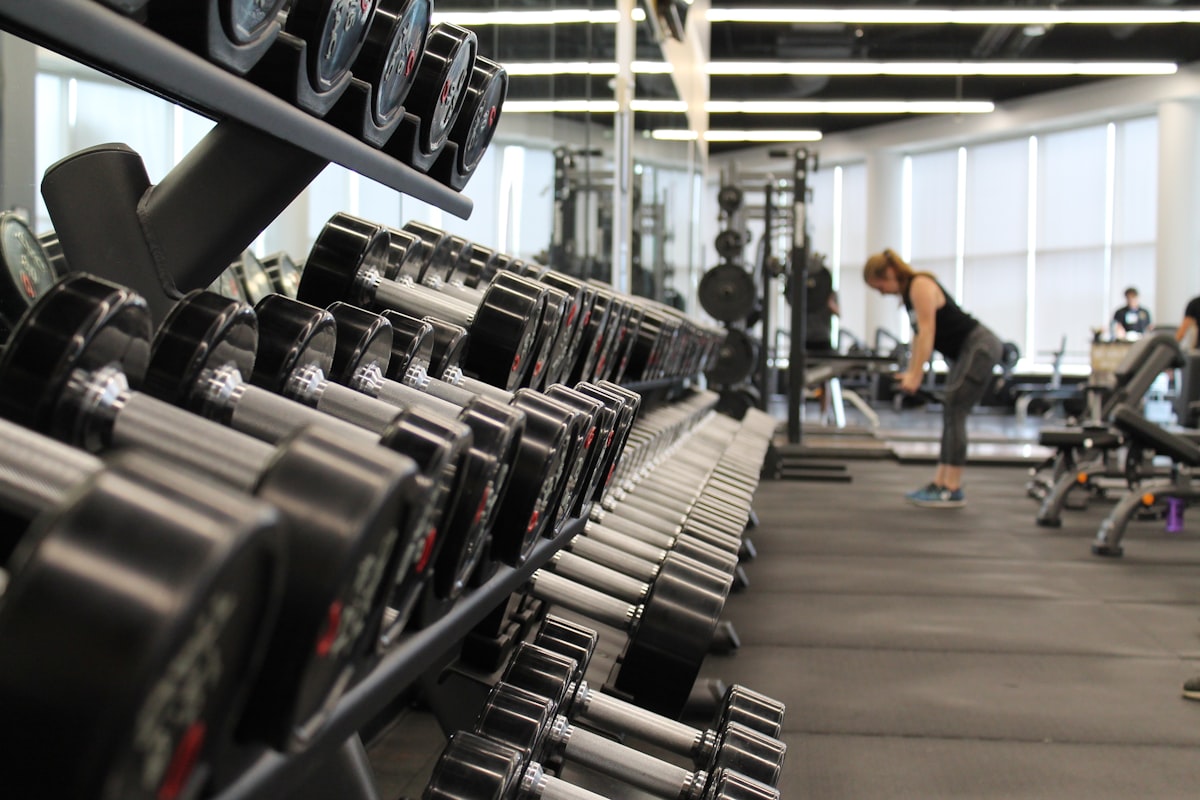
Why Gym Hygiene is Critical
Gyms are unique environments where people work hard, sweat profusely, and share equipment with dozens or even hundreds of others each day. This creates the perfect breeding ground for bacteria, viruses, and fungi. In fact, studies have found that gym equipment can harbor more bacteria than a toilet seat.
For gym owners and managers, hygiene isn't just about keeping members happy—it's about keeping them safe and healthy. Poor hygiene standards can lead to illness outbreaks, negative reviews, cancelled memberships, and even legal liability. Professional gym cleaning isn't optional; it's essential for business success and member wellbeing.
The Health Risks in Gyms
Common Bacteria and Viruses Found in Gyms
- Staphylococcus aureus (including MRSA): Can cause skin infections, pneumonia, and sepsis
- E. coli: Causes gastrointestinal illness
- Influenza viruses: Respiratory infections
- Cold viruses: Upper respiratory infections
- Athlete's foot fungus: Thrives in warm, moist environments
- Ringworm: Fungal skin infection
- Norovirus: Causes severe gastrointestinal illness
How Germs Spread in Fitness Facilities
- Direct contact with contaminated equipment
- Touching face after touching equipment
- Walking barefoot in locker rooms and showers
- Sharing towels or water bottles
- Respiratory droplets in enclosed spaces
- Inadequately cleaned surfaces
Research shows that bacteria can survive on gym equipment for up to three days, meaning yesterday's workout partner's germs could still be waiting for you today.
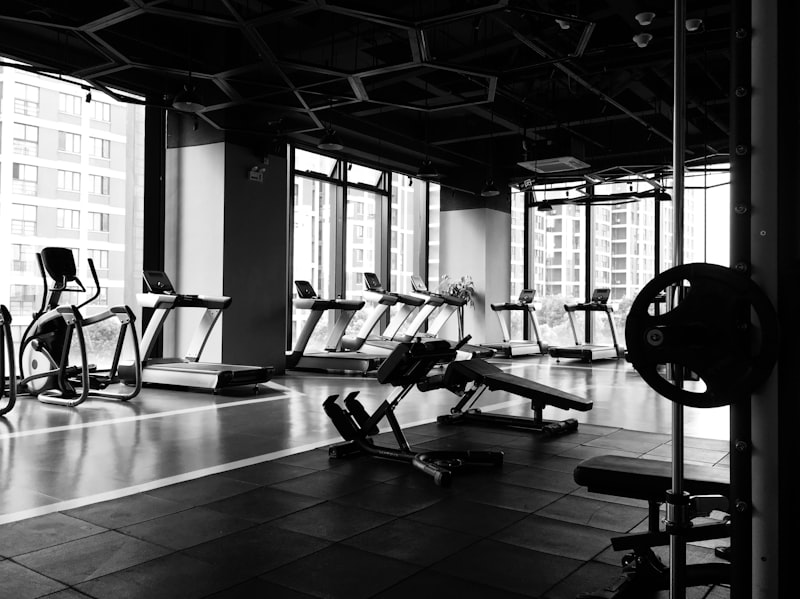
Regular equipment sanitization is essential for member safety
High-Touch Areas Requiring Special Attention
Cardio Equipment
Treadmills, ellipticals, stationary bikes, and rowing machines are constantly touched and sweated on:
- Handles and grips
- Control panels and screens
- Heart rate monitors
- Emergency stop buttons
- Water bottle holders
- Seats and backrests
Cleaning frequency: After each use by members, deep clean daily by staff
Strength Training Equipment
Free weights, machines, and benches see heavy use and close contact:
- Dumbbells and barbells (handles especially)
- Weight plates
- Machine handles and seats
- Benches and mats
- Cable handles
- Adjustment pins and knobs
Cleaning frequency: Wipe down after use, sanitize completely twice daily minimum
Locker Rooms
Warm, humid environments where people are barefoot:
- Lockers (handles and surfaces)
- Benches
- Showers and shower controls
- Toilets and urinals
- Sinks and countertops
- Floor drains
- Door handles
Cleaning frequency: Multiple times daily, deep clean nightly
Group Fitness Areas
Studios for yoga, spin, aerobics, and classes:
- Yoga mats (if provided)
- Spin bike handles and seats
- Mirror surfaces
- Sound system controls
- Props (blocks, straps, weights)
- Floors (especially important for yoga/Pilates)
Cleaning frequency: Between every class, deep clean daily
Reception and Common Areas
- Door handles and push plates
- Reception desk and counters
- Payment terminals
- Water fountains and bottle fillers
- Vending machines
- Seating areas
Cleaning frequency: High-touch surfaces hourly, full clean daily
Professional Gym Cleaning Protocols
Daily Cleaning Schedule
Morning Opening (Before Members Arrive):
- Complete walk-through inspection
- Empty all bins
- Restock cleaning supplies, towels, and toiletries
- Spot clean any visible dirt or spills
- Check and refill hand sanitizer stations
- Quick vacuum/mop high-traffic areas
During Operating Hours:
- Continuous monitoring and spot cleaning
- Hourly bathroom checks and cleaning
- Equipment wipe-downs between peak times
- Immediate spill response
- Towel collection and replenishment
- Bin emptying as needed
Evening Deep Clean (After Closing):
- Complete sanitization of all equipment
- Thorough locker room cleaning and disinfection
- Mop all floors with disinfectant
- Clean mirrors and glass surfaces
- Vacuum carpeted areas
- Sanitize door handles and light switches
- Clean and disinfect water fountains
- Empty and sanitize all bins
Weekly Deep Cleaning Tasks
- Machine deep cleaning (behind and underneath)
- Detailed locker cleaning (inside and out)
- Grout scrubbing in showers and restrooms
- Baseboard and wall cleaning
- Light fixture dusting
- Vent cleaning
- Window cleaning
- Detailed equipment inspection and cleaning
Monthly Maintenance
- Floor stripping and waxing (non-carpeted areas)
- Carpet deep cleaning
- High-level dusting (ceiling fans, high surfaces)
- Equipment lubrication and maintenance cleaning
- Deep clean of storage areas
- Exterior entrance cleaning
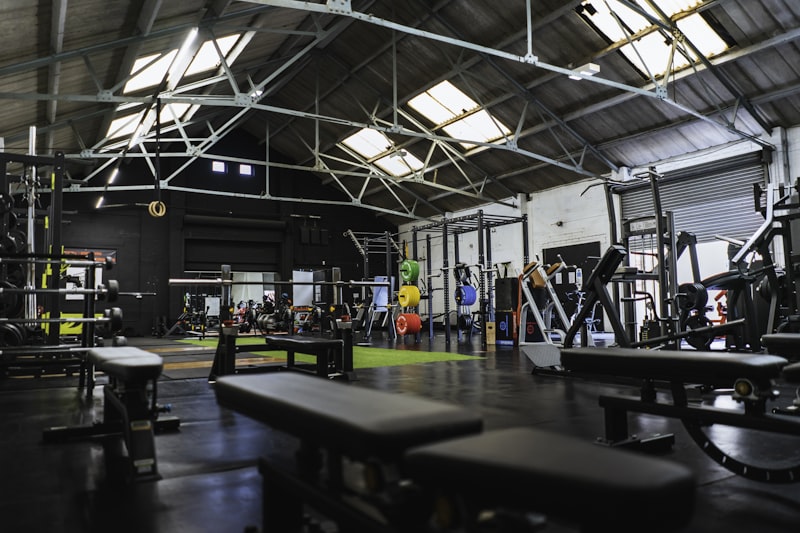
Maintaining a hygienic gym environment improves member experience
Proper Cleaning Products and Techniques
Choosing the Right Disinfectants
Not all cleaners are suitable for gyms. Requirements include:
- EPA-registered disinfectants: Proven to kill specific pathogens
- Appropriate contact time: Must remain wet on surface for specified time (usually 3-10 minutes)
- Safe for equipment: Won't damage vinyl, rubber, or metal
- Quick-drying: Equipment needs to be usable soon after cleaning
- Low-odor formulas: Strong chemical smells can deter members
- Eco-friendly when possible: Better for indoor air quality
Equipment-Specific Cleaning
Cardio Machines:
- Use appropriate electronics-safe cleaner for displays
- Disinfectant spray or wipes for handles and surfaces
- Vacuum underneath to remove dust buildup
- Check for sweat damage to electronics
Free Weights:
- Spray with disinfectant and wipe completely
- Pay special attention to knurling (textured grip areas)
- Dry thoroughly to prevent rust
- Clean storage racks regularly
Mats and Pads:
- Spray both sides with appropriate disinfectant
- Allow proper contact time
- Wipe or air dry completely
- Deep clean with appropriate cleaners weekly
- Replace when showing wear
Locker Rooms:
- Use hospital-grade disinfectants in showers and toilets
- Anti-fungal cleaners for shower floors
- Appropriate products for different surfaces (tile, metal, wood)
- Descaler for shower heads and fixtures
Flooring Care in Gyms
Different Flooring Types Require Different Care
Rubber Flooring:
- Daily: Sweep and damp mop with pH-neutral cleaner
- Weekly: Deep clean with rubber-specific cleaner
- Avoid: Oil-based products, harsh chemicals
- Benefits: Durable, shock-absorbing, relatively easy to maintain
Vinyl/PVC Flooring:
- Daily: Sweep and mop
- Weekly: Machine scrub if needed
- Monthly: Strip and wax (for some types)
- Benefits: Cost-effective, easy to clean
Tile:
- Daily: Sweep and mop with disinfectant
- Weekly: Scrub grout lines
- Monthly: Deep grout cleaning and sealing
- Challenges: Grout can harbor bacteria if not properly maintained
Carpet (Reception/Offices):
- Daily: Vacuum thoroughly
- Weekly: Spot clean stains
- Monthly: Deep steam clean
- Considerations: Can trap odors and bacteria more than hard surfaces
Odor Control Strategies
Gym odors are a major member complaint. Effective odor control requires:
Source Elimination
- Regular deep cleaning: Odors often indicate inadequate cleaning
- Proper ventilation: HVAC maintenance is critical
- Floor drain cleaning: Often overlooked source of odors
- Equipment padding replacement: Sweat-soaked pads need replacement
- Locker cleaning: Include inside lockers in cleaning routine
Air Quality Management
- Industrial air purifiers with HEPA and carbon filters
- Proper HVAC filtration and regular filter changes
- Adequate fresh air exchange (minimum 15-20 air changes per hour)
- Humidity control (30-50% relative humidity)
- Regular duct cleaning
Safe Odor Neutralization
- Enzymatic cleaners that break down organic matter
- Antimicrobial treatments for surfaces
- Essential oil diffusers (in appropriate areas)
- Avoid: Heavy perfumes that mask rather than eliminate odors
Member Education and Participation
Encouraging Member Hygiene
Professional cleaning is only part of the solution. Members must participate:
- Visible signage: "Wipe equipment before and after use"
- Convenient wipe stations: Place near all equipment areas
- Towel policy: Require or provide towels for equipment use
- Shoe policies: No outdoor shoes in certain areas
- Shower shoes requirement: Mandatory in locker rooms
- Hand sanitizer stations: At entrance and throughout facility
Clear Communication
- Post cleaning schedules where members can see them
- Highlight enhanced cleaning protocols
- Use social media to showcase cleanliness standards
- Encourage reporting of cleanliness concerns
- Respond promptly to hygiene complaints
The Business Case for Professional Gym Cleaning
Member Retention
Cleanliness is consistently ranked as one of the top factors in gym satisfaction:
- 78% of gym members say cleanliness affects their decision to renew
- Clean facilities reduce cancellation rates by up to 30%
- Members are more likely to bring guests to clean facilities
- Positive reviews often mention cleanliness specifically
Member Acquisition
- First impressions during tours are heavily influenced by cleanliness
- Clean facilities photograph better for marketing materials
- Word-of-mouth referrals increase with high hygiene standards
- Premium pricing is justified by superior cleanliness
Risk Management
- Liability reduction: Proper cleaning reduces infection transmission risk
- Insurance benefits: Some insurers offer reduced rates for certified cleaning protocols
- Legal protection: Documented cleaning procedures helpful in any disputes
- Reputation protection: Prevents social media complaints and negative reviews
Equipment Longevity
- Regular cleaning extends equipment life by 20-30%
- Prevents corrosion from sweat and moisture
- Allows for early detection of maintenance issues
- Reduces need for premature equipment replacement
Professional Cleaning vs. DIY
Challenges of In-House Cleaning Only
- Staff training: Requires ongoing education on proper techniques
- Time constraints: Staff focused on members, not deep cleaning
- Equipment and supplies: Significant initial investment
- Consistency: Difficult to maintain standards during busy periods
- Specialist knowledge: Different surfaces require different approaches
Benefits of Professional Gym Cleaning Services
- Expertise: Trained in gym-specific cleaning protocols
- Proper equipment: Industrial cleaners and tools
- Consistency: Systematic approach ensures nothing is missed
- Flexible scheduling: Clean during off-peak or closed hours
- Quality products: Commercial-grade disinfectants and cleaners
- Accountability: Service agreements with performance standards
- Insurance: Professional liability coverage
Hybrid Approach
Many successful gyms combine both methods:
- Staff: Continuous monitoring, spot cleaning, member support
- Professional service: Deep cleaning, specialized tasks, off-hours work
- Result: Best of both worlds with manageable costs
Industry Standards and Certifications
Relevant Certifications for Gym Cleaning
- CIMS (Cleaning Industry Management Standard): Quality management for cleaning organizations
- ISSA certification: Training for cleaning professionals
- Green Seal: Environmentally responsible cleaning
- GBAC STAR: Facility accreditation for cleaning protocols
Health Department Requirements
Gyms must comply with local health regulations:
- Regular inspections (frequency varies by location)
- Proper sanitation of showers and toilets
- Adequate ventilation standards
- Hot water temperature requirements
- Proper waste disposal
- Record keeping of cleaning activities
Sweetened Cleaning's Gym Cleaning Services
At Sweetened Cleaning Services, we understand the unique challenges of fitness facility hygiene:
- Gym-specific protocols: Trained in fitness facility cleaning
- Flexible scheduling: Clean during your off-hours
- EPA-registered products: Effective against gym-specific pathogens
- Equipment expertise: Know how to clean without damaging expensive machines
- Eco-friendly options: Safe for members and staff
- Comprehensive service: From equipment to locker rooms
- Odor control: Specialized treatments for gym environments
- Documented cleaning: Records for your compliance needs
- Emergency response: Available for immediate cleaning needs
Creating a Culture of Cleanliness
The cleanest gyms make hygiene part of their brand:
- Leadership commitment: Management prioritizes cleanliness
- Staff training: Everyone understands their role in maintaining hygiene
- Member education: Clear expectations and easy participation
- Regular audits: Systematic inspection of cleaning quality
- Continuous improvement: Update protocols based on feedback and new research
- Transparency: Share cleaning procedures with members
- Investment: Budget adequately for proper cleaning
Conclusion
Gym hygiene isn't just about appearance—it's about member health, safety, satisfaction, and your business success. In an industry where members have countless choices, cleanliness can be your competitive advantage.
Professional cleaning services designed specifically for fitness facilities ensure that every surface, every piece of equipment, and every corner of your gym meets the highest hygiene standards. This protects your members, preserves your equipment, and builds the reputation that keeps your gym thriving.
Remember: A clean gym is a successful gym. Member health starts with facility hygiene, and facility hygiene starts with professional cleaning.